
As a founding member of the San Francisco Women’s Housing Coalition, SafeHouse is proud to share a summary of “Understanding Women’s Homelessness in San Francisco,” a groundbreaking report centering the voices and lived experiences of more than 400 women across our city. Read the summary of the report below, what this means for San Francisco SafeHouse, and what this survey means for you. You can access the full report here.
A note to our readers: Some of the findings in this survey may be difficult to read, as they include experiences of violence, sexual assault, and trauma. We encourage you to take care of yourself as you read and engage with the information in a way that feels comfortable for you.
Right now in San Francisco, approximately 3,000 women are living unhoused. And for years, women-serving organizations such as San Francisco SafeHouse and our partners at the Women’s Housing Coalition have heard the same concerns over and over again:
Women who are experiencing homelessness are not safe.
For many of us, especially those who live in San Francisco, we know homelessness as what we see on the streets. We see people in tents, sleeping outside, waiting in long lines outside of shelters to try to get a place to sleep. But for women, much of their experience is defined by what we can’t see.
But at SafeHouse, we see how women are experiencing homelessness differently than men. For women, violence, exploitation, abuse, and trafficking define too many of their experiences. And those are the things that remain unseen.
Shelters are built for men, by men, and often do not account for women’s hygiene needs, nor their safety and security. Women with children face even larger barriers, often putting the family at risk of being separated.
For years, women’s service organizations have known that something needs to change in the city, and have shared their stories and needs. However, with little to no local data to support what they see every day, women’s housing advocates face their own barriers to finding support.
Until now.
The Women’s Housing Coalition Created the Women’s Needs Assessment Survey to Put Data Behind What We Are Seeing
In 2025, the Women’s Housing Coalition, a group of women’s serving organizations in San Francisco co-founded by SafeHouse, knew something needed to change. So we set out to create a survey that captures the voices of over 400 women experiencing homelessness in San Francisco, to turn it into actual data that will finally bring visibility to the invisible experiences of unhoused women.
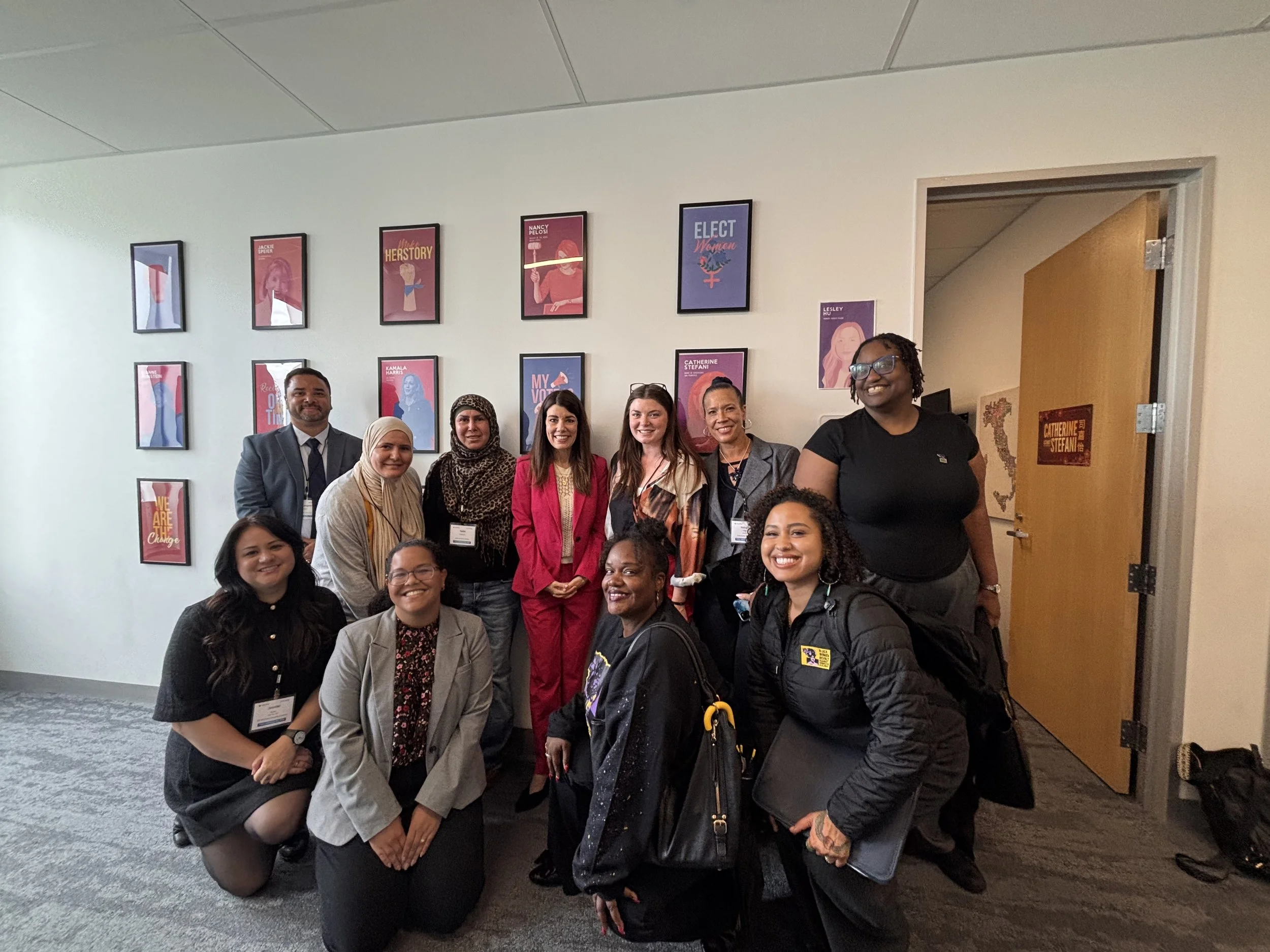
Some of the Women’s Housing Coalition members, alongside Assembly Member Catherine Stefani, were in Sacramento advocating for VOCA funding
Whose Story
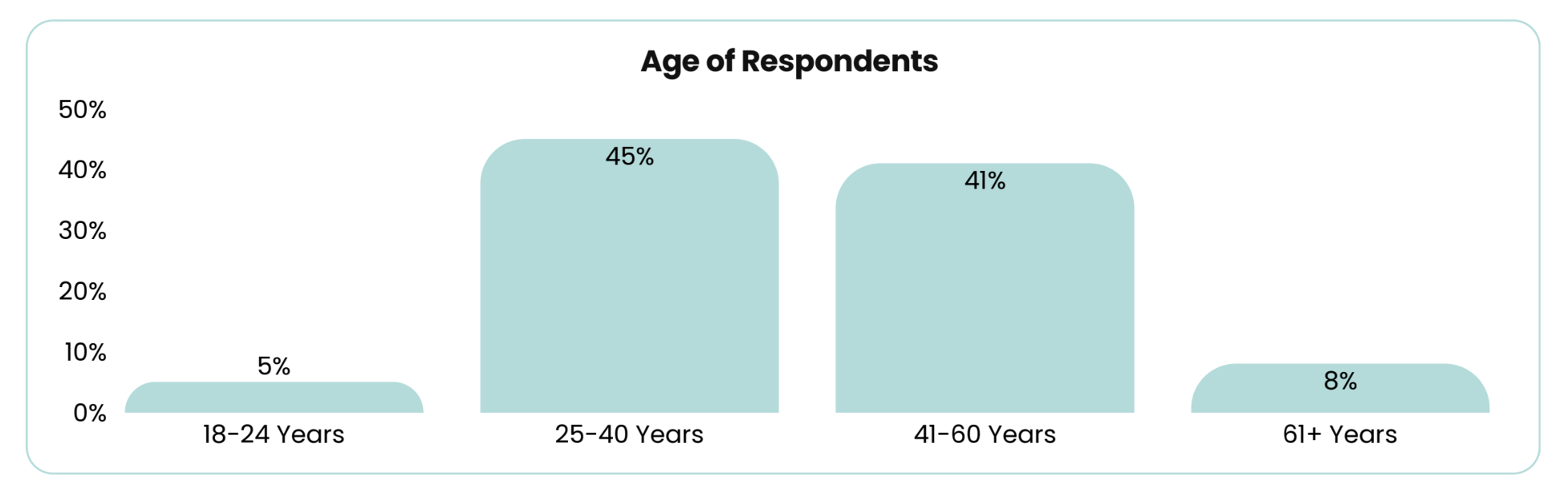
The survey included the voices of women who are currently living on the street, in shelters, in transitional housing, and in county jails.
We highlighted women across different ages, backgrounds, and circumstances.
Among the women surveyed:
38% reported living with a disability.
81% were not currently parenting minor children, meaning they may not qualify for family-specific housing services.
More than 1 in 4 had minor children who were not currently in their care.
What Women Are Saying
In the survey, women described many overlapping experiences as causing their homelessness, but the most common response among the 400 women was domestic violence.
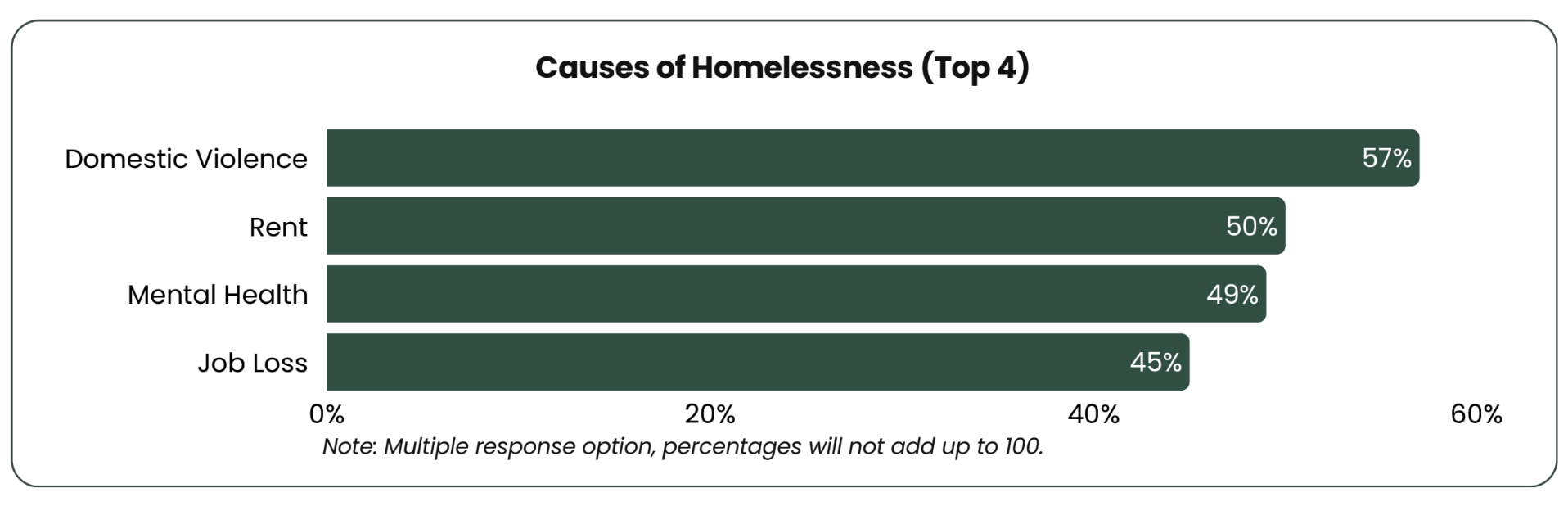
This alone highlights a unique disparity that women face when it comes to becoming unhoused. Experiences of violence not only define what first causes women to become unhoused, but they also define women’s experiences while living unhoused.
74% of women reported experiences of violence, abuse, continued domestic violence, harassment, and exploitation as a result of being homeless.
30% of women reported experiencing human or sex trafficking, highlighting how housing instability is exploited by predators.
Participants also described:
Pressure to exchange sex for safety or resources
Using substances to stay awake at night because falling asleep leaves them vulnerable to violence
Male-dominated environments shaping their access to resources as well as safety
Yves-Langston Bathaud, Chief Policy and Advocacy Officer for SafeHouse and co-chair of the Women’s Housing Coalition, reflects on what participants shared:“One thing that is clear is that there are not enough spaces where women feel safe. The majority of women experiencing housing instability is due to domestic violence. Once they are on the streets, nearly 75% of the respondents experience violence once again. There needs to be more intentionality to meet women's needs and safety when it comes to having spaces for people experiencing homelessness."
Quotes from Participants:
“It[s] hard to be friends with men [while homeless] because at some point, they expect sex.
”Have to trade sex for shelter – tossed around in exchange for shelter.”
”Can’t go to sleep – it’s not safe.”
”It’s harder to take care of our bodies compared to men.”
Structural Barriers Women Are Facing While Unhoused
We know that violence against women while unhoused is 100% preventable. Yet so many women reported facing many structural barriers that made it difficult to find safety, support, and housing.
Something we heard over and over again was the lack of safety that exists in co-ed shelters as a barrier for women.
“I would rather sleep on the streets than in a shelter.”
Mixed shelter environments, where men and women share space, bathroom and shower facilities, and resources, increase women’s risk of being a target of harassment, assault, or exploitation.
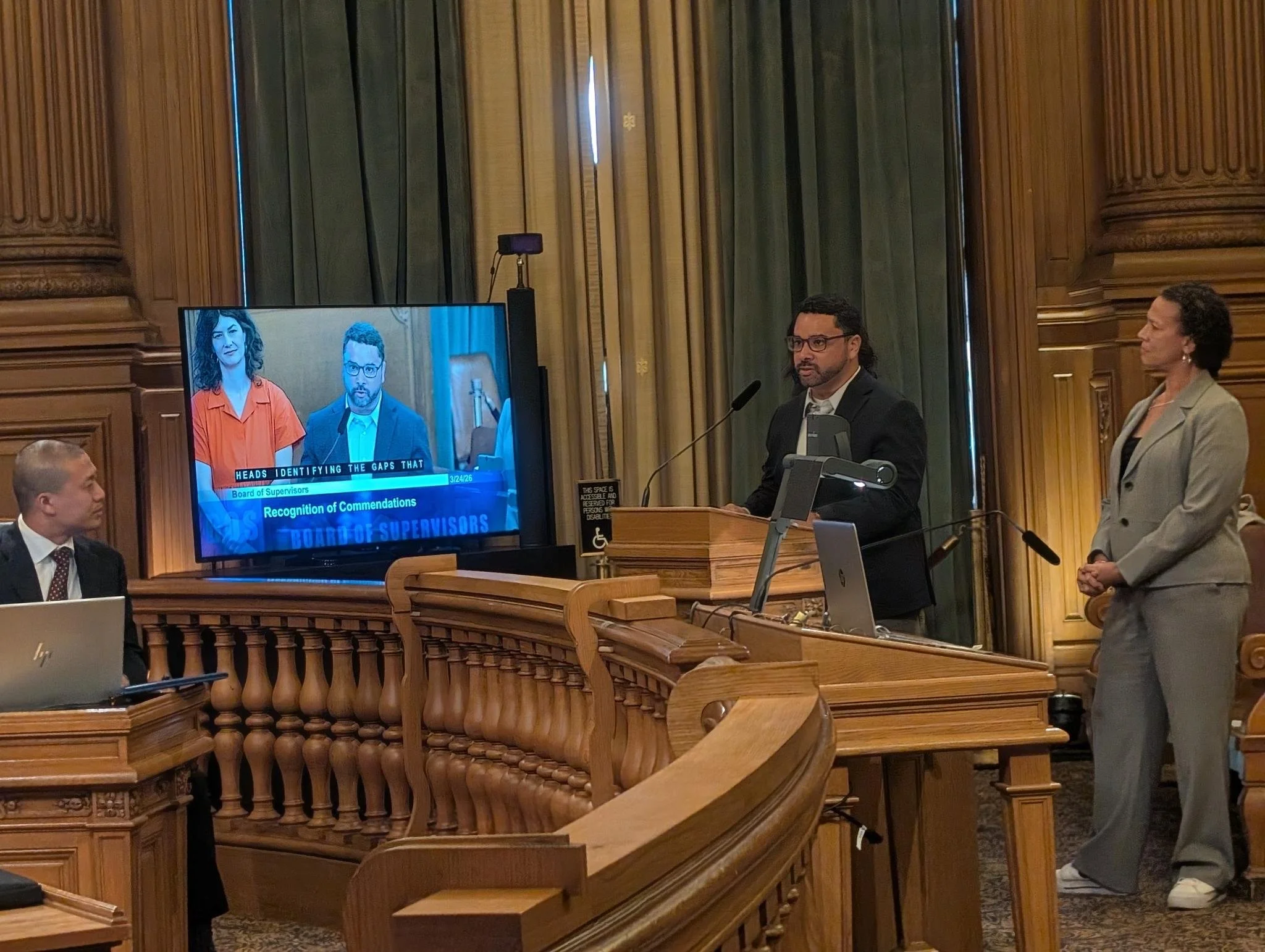
Yves-Langston Barthaud, Chief Policy and Advocacy Officer for SafeHouse, and Co-Chair of the Women’s Housing Coalition, speaking at City Hall for the Women’s Housing Coalition Certificate of Honor, March 2026
“Women don’t feel safe sharing bathrooms, especially if you’ve been sexually assaulted by men. You just wouldn’t want to necessarily share the same space, especially with closed doors when other men are there,” said Yves-Langston Barthaud, Chief Policy and Advocacy Officer
No woman deserves to feel unsafe when trying to access basic needs and shelter, yet the majority of women (53%) who accessed shelter services said that they did.
Not only are women at an increased risk of violence in these spaces, but for women who have experienced past trauma (and as we learned from the survey, this is almost always the case), mixed environments can be especially triggering. This can prevent women from healing, working towards their goals, or recovering from substance abuse challenges when they are focused on surviving and trying to stay safe in these environments.
Women also identified:
Lack of properly trained staff
Heightened stigma and moral judgement towards women
Unaccommodating experiences women faced when they were caring for minor children as structural barriers to getting housed and feeling safe.
“Women are treated like cattle, like a number.”
”I found no safety at all in San Francisco”
There are a lot of women who would prefer to have only women there.”
The Catch-22 Mothers Are Facing
One of the most striking findings for SafeHouse was the catch-22 many mothers face. While 81% of participants were not currently parenting minor children, that does not mean they were not mothers. More than 1 in 4 women surveyed had minor children who were not currently in their care.
For mothers experiencing homelessness, there can be a very small window to secure family housing before losing custody of their children. For unhoused mothers with children, lack of housing can become a barrier to being with their children, yet housing can also become a barrier to being together.
One participant shared: "Even if in reunification with kids, can't get housing for children... 'chicken or the egg.'"
In fact, 62% of women surveyed cited housing as a barrier to reuniting with their children.
Toni Eby, MSW, CEO of SafeHouse, shares: “This is why SafeHouse’s 101 Gough Bridge Housing model is so important. By prioritizing keeping mothers and children together from the beginning and creating housing that is built for them, not against them, families can stay together, heal, and build lasting stability.”
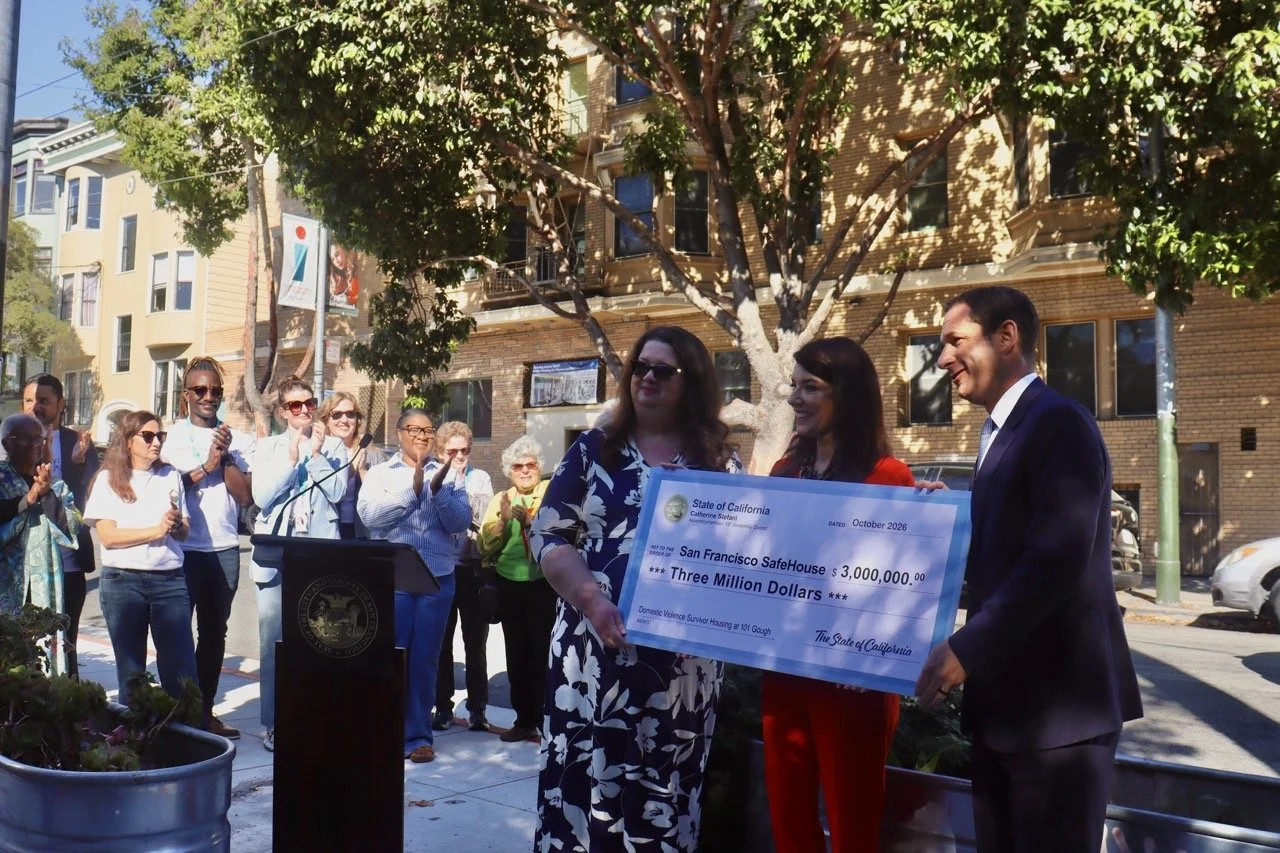
Tony Eby, MSW, CEO of SafeHouse, in front of SafeHouse’s new program: 101 Gough Bridge Housing next to Assembly Member Catherine Stefani and Mayor Daniel Lurie, receiving the final capital campaign funding for the project, October 2026
Safety Needs to Come First: What Women Say They Need to Feel Safe
What women are asking for isn't complicated. They are asking for something everyone deserves: the basic human right to feel safe.
Immediate physical safety, lockable private doors, en-suite bathrooms, and protection from predators are the essential prerequisites before stabilization or recovery can even begin.
What women shared they need:
A Safe Environment Defined by Privacy and Control
Private or single rooms
Lockable doors
Separate bathrooms
Adequate Safety and Security
Dedicated security staff and monitoring
Controlled entry
Protection from theft
Clear, enforced rules
Supportive Staff
Respectful, trauma-informed care
Fair and consistent treatment
Accountability for staff misconduct
“These are not luxuries,” says Toni Eby, MSW, “They are basic considerations that should be intertwined into every housing and shelter program. Above all, women are asking for more compassion.”
What Does Thriving Look Like Beyond Housing?
One of the most meaningful questions we asked was what thriving looks like to women who have experienced homelessness, beyond simply having a roof over their heads.
Their answers were simple, personal, and deeply human.
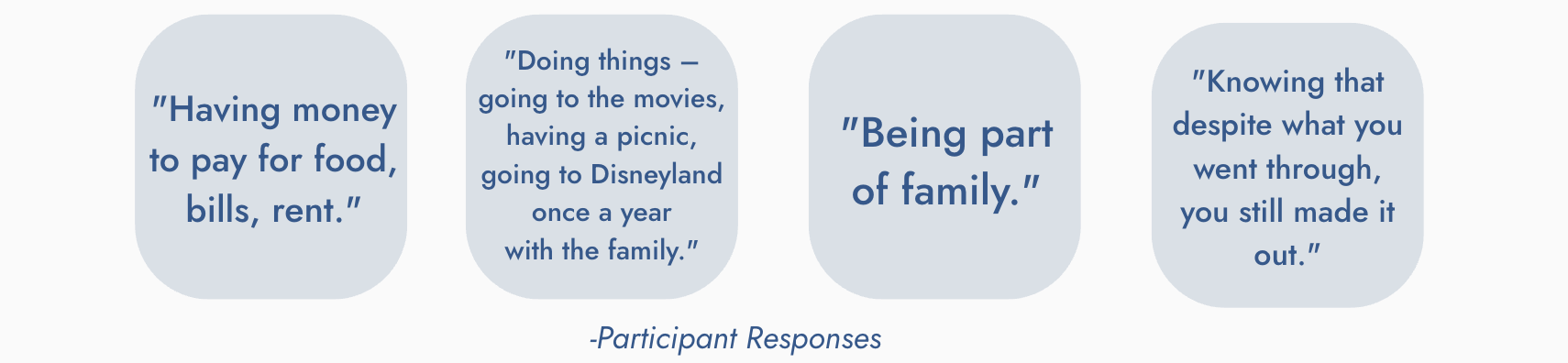
These responses remind us that housing is not the final destination.
It's the foundation that allows women to rebuild relationships, spend time with family, pursue their goals, and experience the everyday moments that make life meaningful.
Women aren't just asking for a place to survive. They're asking for the opportunity to thrive, something that every human deserves.
What’s Next? Turning Voices into Action
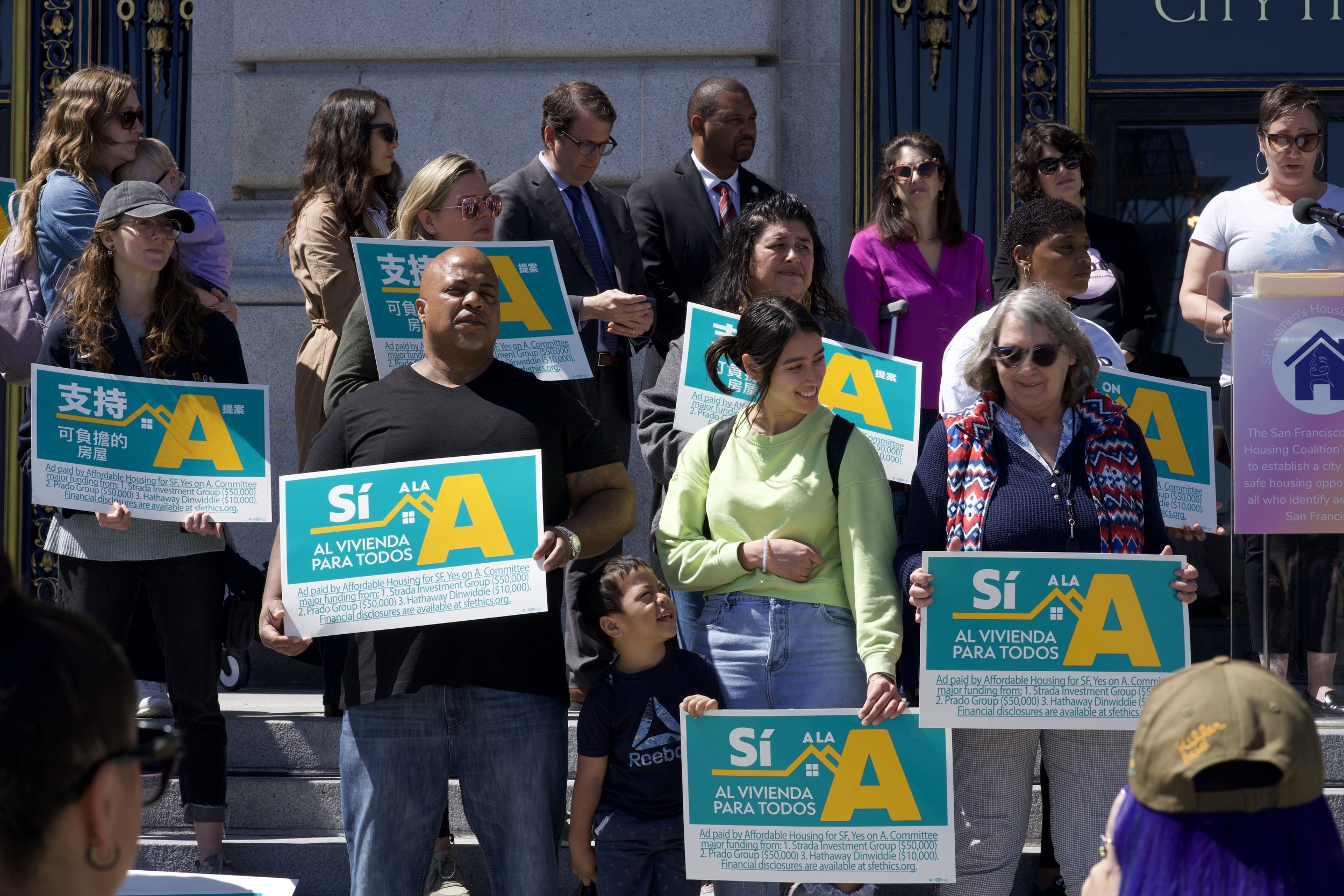
Prop A Funding Victory Rally February 2024
Now that we have the data, our responsibility is to create meaningful change. On October 29th, 2026, SafeHouse and the Women’s Housing Coalition will bring the findings to city leaders, department heads, and representatives from the Mayor’s office to better discuss how San Francisco can better respond to women’s needs. We want to see more investment in organizations providing the specialized survivor-centered services women have told us they need.
More gender-specific shelter and housing options, including spaces that accommodate mothers with children, couples, and pets.
Greater investment in long-term supportive services that help women find stability beyond emergency shelter.
Safer shelter environments, with private, secure rooms, individual bathrooms, and services designed for women fleeing interpersonal violence.
Greater accountability and training for shelter staff, so women are treated with the dignity and respect they deserve.
Accessible public bathrooms and showers, with clean facilities and enough time for women to meet their hygiene needs.
The women who participated in this survey have already done something incredibly important. They have shared their experiences, identified the barriers, and told us what needs to change.
Why This Matters for All of Us
For nearly three decades, SafeHouse has seen firsthand what happens when a woman finally has access to a safe place to sleep, someone who listens without judgment, and the resources to begin planning her next steps.
We have also seen what happens when those options aren't available.
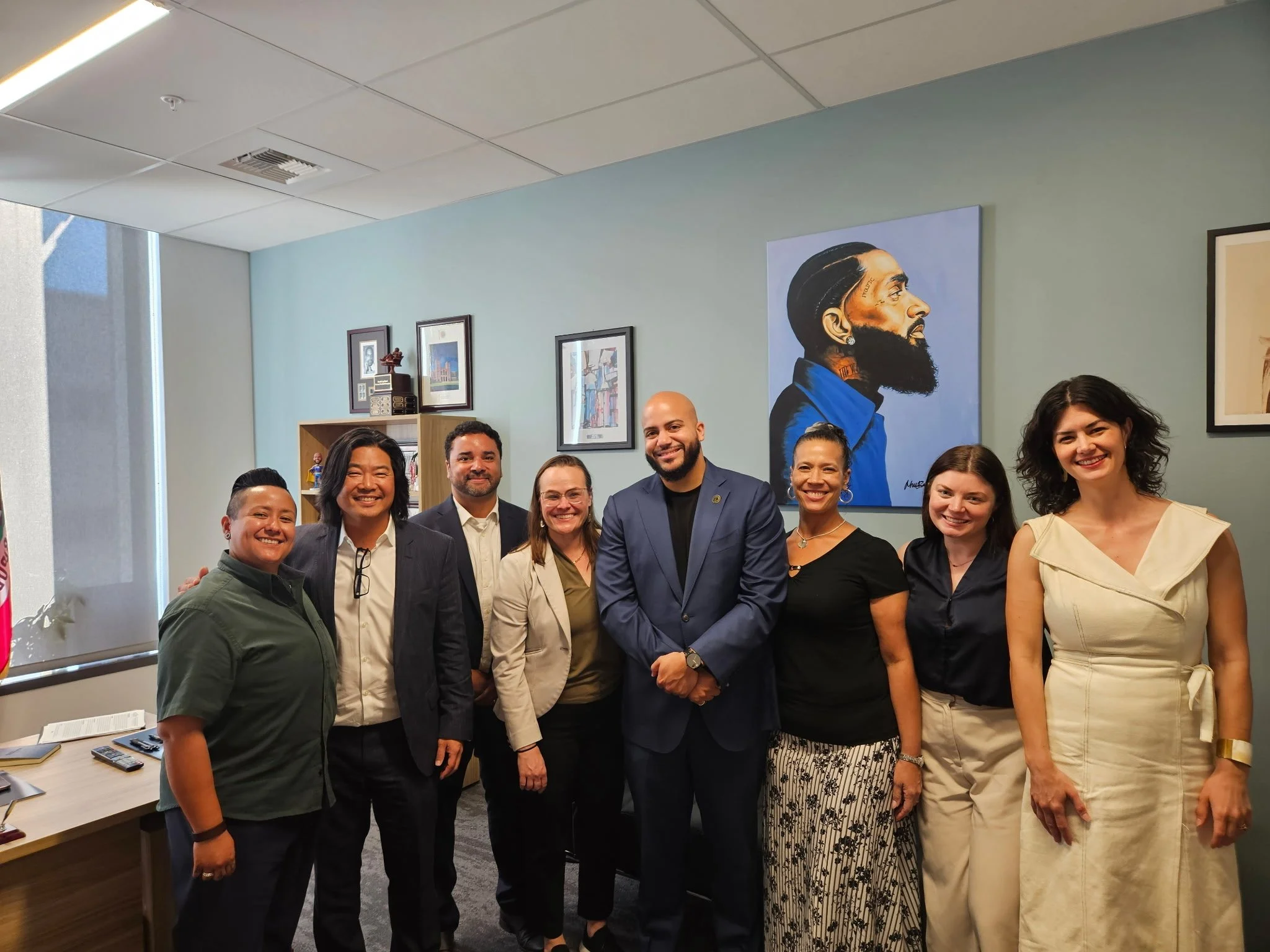
SafeHouse & the Women’s Housing Coalition with Assembly Member Isaac Bryan
This survey matters because the women experiencing these challenges every day have told us, in their own words, what needs to change. Their experiences should be at the center of the decisions our city makes about housing, shelter, and public resources.
For our supporters, partners, neighbors, and community members, these findings are an opportunity to better understand the realities women face, challenge assumptions about homelessness, and advocate for solutions that actually meet their needs.
You, reading this right now, are already somebody who cares. You are somebody who has the power to make a difference.
We challenge you to share what you've learned. Talk to your friends, neighbors, and community about the challenges women experiencing homelessness face. Question your own assumptions about homelessness, and encourage others to do the same.
Because nobody plans to become unhoused. Nobody plans to experience domestic violence, lose their home, or face the possibility of being separated from their children. These experiences don't happen in isolation, and right now, women in our own community are facing impossible choices just to survive.
Creating change takes all of us. The more people who understand what women are experiencing, the more voices we have advocating for a city where safety and housing are within reach for everyone.
The women have spoken. The data is here. Now it's time to make sure their voices lead to change.
